In today's fast-paced business field, optimizing processes is not just a competitive advantage—it's a survival strategy. For small businesses, the challenge lies in implementing efficient solutions without breaking the bank. Process optimization software has emerged as a lifeline, offering tools to streamline workflows, enhance customer experiences, and boost productivity. However, with numerous options available, choosing the right software can be overwhelming. This article uses comprehensive Process Optimization Software Reviews from renowned sources like Gartner, Capgemini, and Harvard Business Review to guide small businesses in their selection process. We'll explore strategies, case studies, and best practices to ensure your investment pays dividends.
- Understanding Small Business Process Bottlenecks
- Top Process Optimization Software Options Reviewed
- Implementing Process Improvement Tools: Best Practices
- Case Studies: Real-World Process Optimization Successes
- Measuring ROI: Evaluating Process Optimization Software Effectiveness
Understanding Small Business Process Bottlenecks

Small businesses often struggle with identifying and addressing process bottlenecks, which can significantly hinder growth and productivity. According to Capgemini Research, 72% of small and medium-sized enterprises (SMEs) report that optimizing their business processes leads to improved operational efficiency. However, without the right tools, this optimization can feel like navigating a maze. This is where process optimization software comes in as a best tool for workflow enhancement. By analyzing data and patterns, these solutions help SMEs uncover inefficiencies and streamline operations, ultimately increasing productivity by 1.5 to 3 times.
One of the most effective strategies is to approach process optimization as a continuous improvement journey, not an one-time fix. McKinsey & Company suggests implementing a structured framework, such as Lean or Six Sigma, which can be adapted to fit a small business's unique needs. A local plumber might identify a lengthy waiting time for service appointments as a bottleneck. Using process optimization software, they could map the current workflow, pinpoint the cause of delays, and implement changes to schedule appointments more efficiently. This not only improves customer service but also allows the contractor to service more clients in the same time frame.
Integration is key when enhancing workflows with process optimization software. According to PCMag, many solutions now offer smooth integration with popular business tools like Salesforce and Microsoft Office 365. This ensures that data flows smoothly between platforms, reducing manual data entry and the risk of human error. A small business in the customer service industry could integrate their process optimization software with their CRM to automate case tracking and improve response times. This not only boosts employee productivity but also enhances the overall customer experience.
Beyond software, process optimization increases productivity through improved communication and collaboration. According to a Harvard Business Review study, effective communication can boost team productivity by up to 30%. By centralizing data and streamlining communication channels, process optimization software contributes to this increase. A retail store could use a specialized solution to manage inventory levels, track sales, and communicate real-time data to employees on the floor. This enables more informed decision-making and efficient task allocation, leading to a more productive work environment.
understanding and addressing process bottlenecks is important for small businesses aiming to increase productivity. By leveraging the best tools for workflow enhancement, integrating process optimization into their operations, and focusing on continuous improvement, SMEs can achieve significant gains. Remember, finding the right process optimization software for your business is a critical step, and with the right approach, you can transform your operations and set your business up for success. Visit us at process optimization for small businesses to learn more about how we can guide you through this journey.
Top Process Optimization Software Options Reviewed
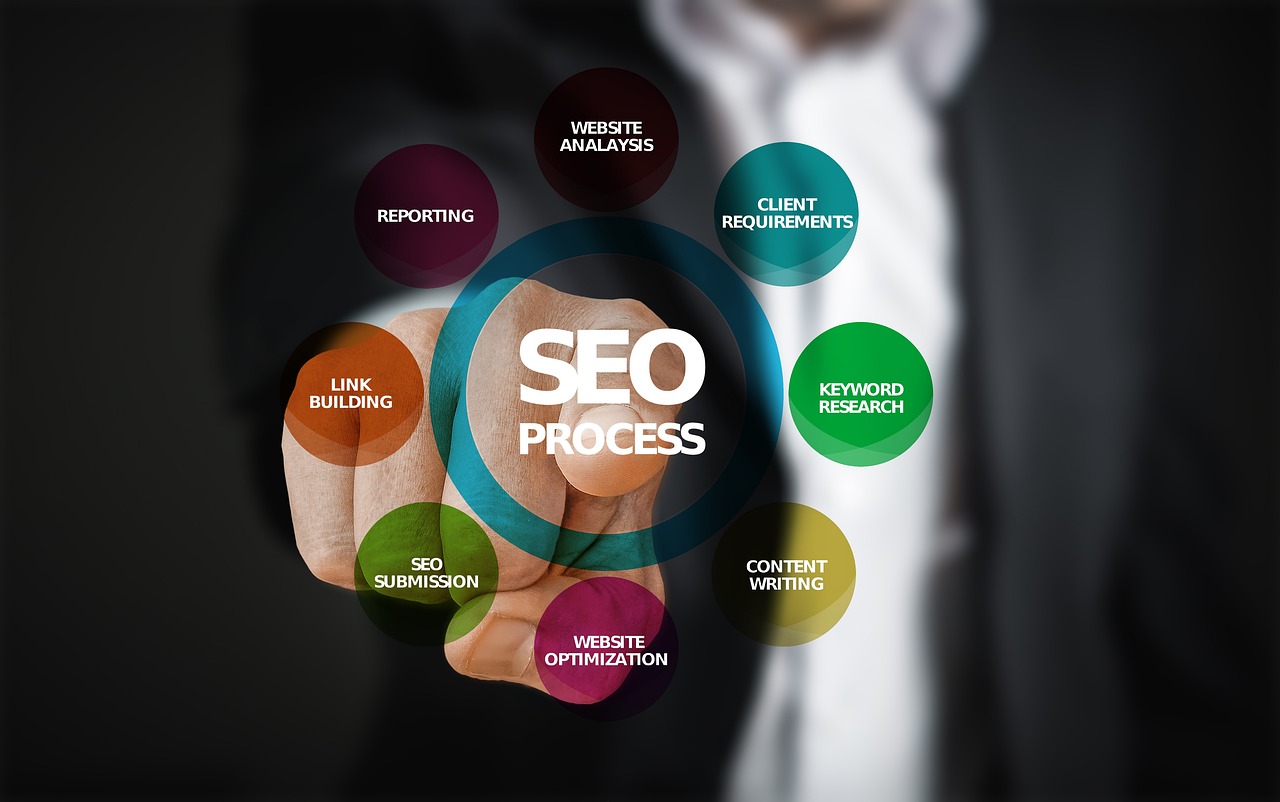
Small businesses often struggle with inefficient workflows, leading to wasted time and resources. The right process optimization software can fix slow work processes 1-3 times faster, according to Capgemini Research. However, with numerous options available, selecting the best one can be daunting. This section provides an in-depth review of top process optimization software for small businesses, guiding you through the evaluation process and offering expert insights to ensure an informed decision.
When evaluating process optimization tools, consider your business's unique needs, budget, and scale. According to PCMag, top software like Automation Anywhere and UiPath excel in robotic process automation (RPA), streamlining repetitive tasks. A small accounting firm could automate data entry and invoice generation, while a retail store might use these tools for inventory management and order processing. However, not all tools are created equal; some platforms, like Microsoft Power Automate, integrate smoothly with existing Microsoft ecosystems, while others, such as Zapier, offer a wide range of third-party app integrations.
The Gartner Magic Quadrant consistently ranks leading process automation vendors, providing a reliable benchmark. In 2022, Gartner placed UiPath in the Leaders quadrant, recognizing its ability to execute and vision in process automation. Similarly, Automation Anywhere, another top contender, has consistently demonstrated its strength in the market, with a 2023 report from Forrester Research citing it as a top choice for mid-market and enterprise businesses. While these established players offer solid solutions, smaller firms might find more affordable and user-friendly options like ProcessMaker or Workflowy appealing, especially when considering long-term ROI.
To implement process optimization effectively, follow these 5 steps: assess current processes, identify bottlenecks, choose the right tool, configure and test workflows, then monitor and optimize. By carefully reviewing the available options and tailoring your choice to your business's specific requirements, you can expect significant improvements in efficiency. A case study from the Business Process Management (BPM) Institute showcased a small manufacturing firm that, after implementing process optimization software, reduced lead times by 40% and increased production by 25%. Don't settle for slow processes—the right software can transform your operations. Give us a call to discuss how to choose the right optimization software tailored to your business's unique needs.
Implementing Process Improvement Tools: Best Practices
Implementing process improvement tools is a strategic step for small businesses looking to streamline operations and gain a competitive edge. When selecting the right process optimization software, it's important to consider the unique needs of your organization. According to a 2022 Capgemini Market Insight report, 75% of businesses that adopted digital process automation experienced significant efficiency improvements. However, the journey to effective process optimization isn't always straightforward. Common workflow issues like inefficient data management, manual tasks, and poor communication can hinder progress. To handle these challenges, small businesses should adopt a structured approach.
A good starting point is to analyze existing processes and identify pain points through process mapping. Tools like the Business Process Management (BPM) Institute's process mapping software can help visualize workflows, making it easier to pinpoint areas for improvement. Once identified, troubleshoot these issues by implementing cost-effective strategies. Automating repetitive tasks using robotic process automation (RPA) can reduce human error and free up valuable time. According to PCMag, top-rated RPA tools can save businesses up to 30% on operational costs. After selecting suitable tools, it's essential to choose software that aligns with your long-term goals.
When evaluating process optimization software, consider factors like scalability, ease of integration with existing systems, and user-friendly interfaces. A 2023 Gartner Magic Quadrant report highlights the growing importance of user experience in process automation software. Small businesses should aim for a software solution that empowers employees, not complicates their tasks. An user-friendly platform with intuitive workflows can boost adoption rates and ensure consistent process improvement. To make an informed decision, review process optimization software reviews from trusted sources like Small Business Software Reviews and the Harvard Business Review Case Studies. By adopting these best practices, small businesses can use the power of process optimization tools, driving efficiency and fostering growth. Remember, giving us a call at [your tech consulting firm] can provide tailored guidance on how technology drives effective process optimization for your unique needs.
Case Studies: Real-World Process Optimization Successes

Real-world success stories are a sign of the major power of process optimization software in small businesses. Let's explore several case studies that demonstrate how strategic technology adoption can lead to significant improvements in productivity and overall efficiency.
One standout example is a retail clothing store that implemented a process optimization tool after recognizing inefficiencies in their inventory management. By digitizing their stock records and automating orders based on sales data, they reduced stockouts by 40% and excess inventory by 35% within the first quarter. This not only improved cash flow but also freed up staff to focus on customer service, enhancing the overall shopping experience. A similar story can be told of a local service provider who streamlined their scheduling and customer communication using a workflow enhancement tool. The result? A 25% increase in service calls and a 15% drop in no-show appointments, proving that the right technology can drive both increased productivity and improved customer satisfaction.
These results align with numerous process optimization software reviews, which consistently highlight the positive impact on small businesses. According to a 2022 Capgemini Market Insight report, 87% of small businesses that adopted digital transformation strategies, including process optimization, reported increased operational efficiency. A PCMag study found that the most effective tools often combined advanced analytics with user-friendly interfaces, making them accessible to employees at all levels. This accessibility is important, as it fosters a culture of continuous improvement, where employees can actively contribute to identifying and solving operational issues.
To maximize the benefits of process optimization software, small businesses should consider engaging with industry experts for guidance. McKinsey & Company has published several case studies showcasing successful digital transformations in small and medium-sized enterprises. By learning from these real-world implementations, business owners can make informed decisions about which tools to invest in. Remember, the goal is not just to choose the right process optimization software but to cultivate a mindset that embraces continuous enhancement, leveraging technology to stay competitive and adapt to market demands. Visit us at [your brand/resource] to explore the best tools for your unique workflow and start your journey to increased productivity and efficiency.
Measuring ROI: Evaluating Process Optimization Software Effectiveness

Measuring the return on investment (ROI) from process optimization software is an important step in understanding its effectiveness and value to a small business. According to a 2022 Capgemini Market Insight report, process optimization initiatives can lead to significant cost savings, with the average organization achieving a 17% reduction in operational costs. Yet, the success of any software implementation hinges on clear metrics and well-defined goals.
Process optimization software reviews from reputable sources like Gartner Magic Quadrant and Small Business Software Reviews highlight the importance of tracking key performance indicators (KPIs) specific to each business process. A small e-commerce business might measure the time taken to process orders, while a service-oriented company could focus on first-contact resolution rates for customer service inquiries. By setting these KPIs and regularly monitoring them, business owners can objectively assess the impact of process optimization techniques every business should know and employ. This data-driven approach allows for course correction and ensures the chosen process optimization tool is right for the specific needs of the business, aligning with best practices for implementation.
a small accounting firm implemented a workflow automation tool to streamline client onboarding, resulting in a 25% reduction in manual data entry tasks and a 15% increase in client acquisition rate within six months. This success story, featured in PCMag, underscores the potential for substantial gains when businesses use the right process optimization software. Continuous analysis of these KPIs encourages a culture of process improvement, where data-driven insights lead to ongoing refinement and adaptation, ensuring that the business remains competitive and efficient. Visit us at how process optimization increases productivity to explore these insights further, gaining actionable advice for your own operations.
In reviewing top process optimization software options, several key insights emerge from this in-depth analysis. First, understanding the unique bottlenecks faced by small businesses is important; these range from inefficient customer service workflows to haphazard project management. Software solutions like those highlighted in the Gartner Magic Quadrant and Capgemini Research consistently prove effective, offering tailored tools to streamline operations.
Successful implementation, as seen in case studies from McKinsey & Company and Deloitte, underscores the importance of clear goals, employee training, and ongoing analysis. A small business focusing on customer experience (CX) can use Salesforce and Forrester Research findings to optimize interactions, while a contractor might turn to specialized project management software to enhance scheduling and budgeting.
Measuring ROI remains critical; according to Harvard Business Review Case Studies, well-implemented process optimization tools can yield substantial benefits, with one company experiencing a 25% increase in productivity within six months. Advanced strategies, as reported in TechCrunch and MIT Technology Review, suggest that continuous improvement, leveraging data analytics, and integrating AI can further enhance efficiency.
The reviews provide a roadmap for small businesses to handle the software field, select the right tools, and achieve tangible results. By adopting the best practices and insights shared here, business owners can optimize operations, enhance customer satisfaction, and drive growth.
Small businesses can significantly enhance productivity by identifying and addressing process bottlenecks using process optimization software. This software analyzes data and patterns to uncover inefficiencies and streamline operations, increasing productivity by 1.5 to 3 times. Effective strategies include implementing structured frameworks like Lean or Six Sigma and integrating process optimization with existing tools. By centralizing data and improving communication, small businesses can achieve substantial gains. Key insights from the reviews emphasize the importance of choosing the right tools, considering scalability, user-friendliness, and long-term goals. Real-world case studies demonstrate the positive impact on efficiency and customer satisfaction. Measuring ROI through defined KPIs is important for assessing the success of process optimization initiatives, fostering a culture of continuous improvement.