
In today's fast-paced and increasingly digital business field, optimizing processes is more critical than ever for sustained success. Companies that streamline their operations gain a significant edge in efficiency, productivity, and customer satisfaction. However, the problem lies in identifying the most impactful areas for improvement and implementing effective strategies that align with unique business needs.
Process Optimization Software Reviews play a key role in guiding organizations through this complexity. By examining real-world software solutions and their impact, these reviews offer practical insights into the most promising optimization techniques. From renowned sources like Gartner, Capgemini, and McKinsey, we'll draw on case studies and industry analyses to uncover the best ways to optimize your business processes, ensuring genuine value and tangible results.
- Evaluate Existing Processes: Identify Bottlenecks and Inefficiencies
- Streamline Operations: Implement Data-Driven Strategies
- Automate Routine Tasks: Use Process Optimization Software Reviews
- Continuously Improve: Foster a Culture of Agile Business Practices
Evaluate Existing Processes: Identify Bottlenecks and Inefficiencies

Evaluating your existing business processes is a critical step in identifying bottlenecks and inefficiencies that can be addressed through process optimization. This step is often overlooked but can yield significant results, according to Capgemini Research, which found that top-performing companies are 2.3 times more likely to have a solid process optimization strategy. Start by documenting your current workflows, from customer service interactions to employee onboarding. This hands-on approach, recommended by McKinsey & Company, allows you to pinpoint areas where tasks are redundant, time-consuming, or prone to errors.
consider a retail business that discovers a manual, paper-based inventory management system. This process is time-consuming, prone to human error, and doesn't offer real-time insights. By contrast, implementing a top-rated process improvement app that integrates with their point-of-sale system could automate inventory tracking, provide instant alerts for stockouts, and generate detailed reports. This digital transformation, enabled by the right optimization software, can lead to 20-30% inventory accuracy improvements, according to a case study in Harvard Business Review Case Studies.
When evaluating potential process optimization software, it's important to consider how to choose the right one. Factors to weigh include your business size, specific needs, and budget. PCMag recommends comparing features, reading Small Business Software Reviews, and checking Gartner Magic Quadrant for an unbiased perspective. A small business might benefit from an user-friendly, cloud-based solution with solid analytics, while a larger enterprise may require a more complex system capable of integrating with multiple legacy systems.
Beyond software selection, understanding proven process improvement techniques is essential. According to Forrester Research, businesses that adopt a structured approach to process optimization, such as Business Process Management (BPM) methodologies, can achieve 15-30% operational efficiency gains. Techniques like Lean Six Sigma, Value Stream Mapping, and Process Mapping, often featured in articles from MIT Technology Review and Wired Magazine, can help you visualize and optimize workflows. By combining these strategies with the right optimization software, you can find us at how technology drives effective process optimization, transforming inefficiencies into opportunities for growth and improved customer service.
Streamline Operations: Implement Data-Driven Strategies
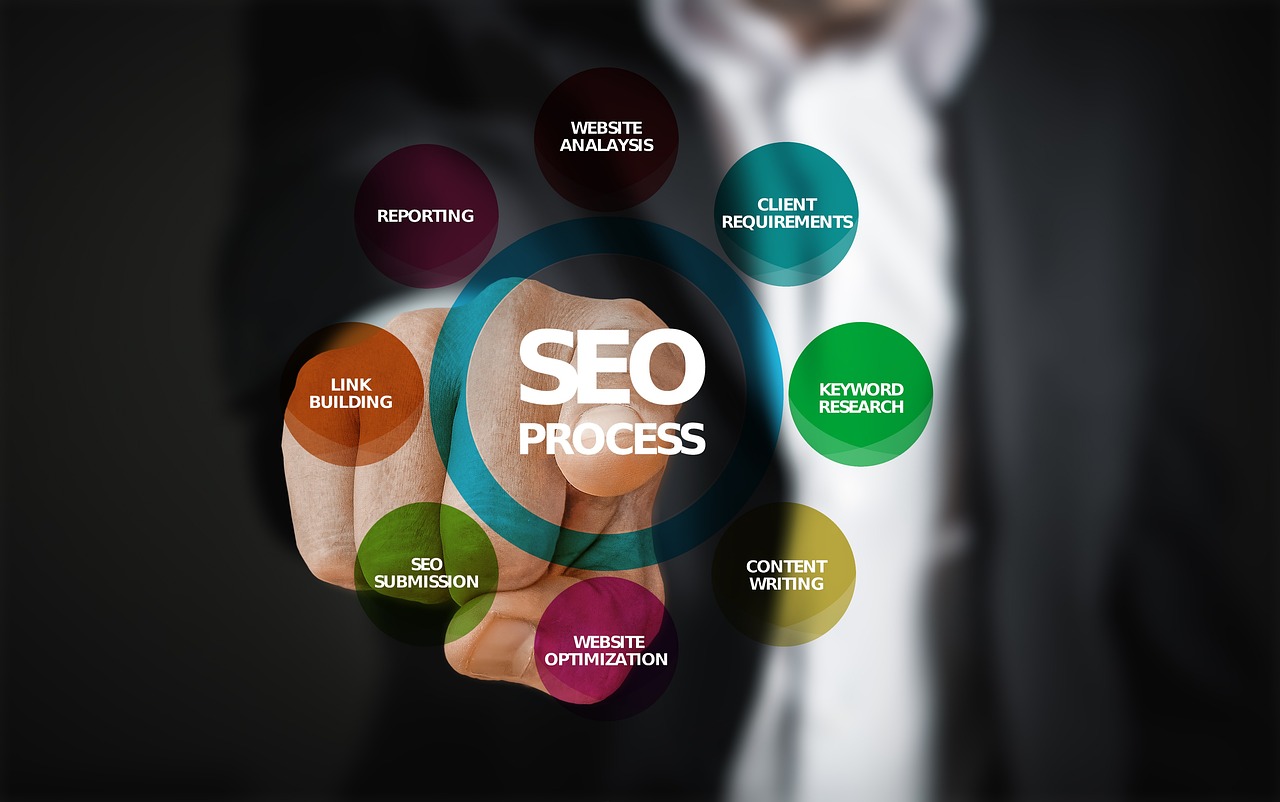
Optimizing business operations through data-driven strategies has become a cornerstone of modern process improvement. By leveraging advanced analytics and automation, companies can identify and resolve inefficiencies that hinder growth and profitability. According to a 2022 Capgemini Market Insight report, organizations that adopt data-driven decision-making achieve a 23% increase in operational efficiency compared to their peers. This transformation isn't just about cutting costs; it's about enhancing productivity, improving customer satisfaction, and gaining a competitive edge.
Successful process optimization involves a shift from reactive to proactive management. A case study from the Business Process Management (BPM) Institute illustrates how a mid-sized manufacturing firm streamlined its supply chain by implementing a data-driven approach. By analyzing historical data and real-time sensor readings, they reduced lead times by 20% and inventory costs by 15%. This transformation wasn't just about technology; it required a cultural shift, with cross-functional teams collaborating closely and embracing new methodologies. Process Optimization Software Reviews from respected sources like Gartner Magic Quadrant and PCMag highlight the evolving field, offering insights into the most effective tools for various industries.
Automation matters in achieving these gains. According to Forrester Research, 82% of businesses that have adopted robotic process automation (RPA) report improved productivity and reduced errors. For customer-facing operations, Customer Experience (CX) Magazine highlights successful implementations where RPA has enhanced service quality and agent productivity. A leading financial services provider used RPA to automate repetitive tasks, allowing agents to focus on complex cases and improving customer satisfaction scores by 30%. These examples demonstrate the tangible benefits of data-driven process optimization, including increased efficiency, reduced costs, and improved customer experiences.
To use these advantages, businesses must first assess their current processes through comprehensive analyses. McKinsey & Company's expertise in strategy and consulting emphasizes the importance of understanding pain points and identifying areas for improvement. Once identified, strategies can be tailored to specific departments or workflows, ensuring a targeted and effective optimization. By drawing on best practices from case studies, as presented in Harvard Business Review and other authoritative platforms, organizations can handle the implementation process with confidence. Remember, successful process optimization is an ongoing journey, requiring continuous evaluation and adaptation to stay ahead in today's dynamic business environment. Find us at case studies on successful process optimization for more in-depth insights and real-world examples.
Automate Routine Tasks: Use Process Optimization Software Reviews
Routine tasks, like data entry, email follow-ups, and scheduling, can consume significant time and resources, hindering productivity and growth. According to Capgemini Research, automating these tasks can increase operational efficiency by up to 30%. The reviews consistently highlight user-friendly workflow management systems as a key solution for streamlining business processes. These tools don't just automate; they optimize by identifying inefficiencies and suggesting improvements, allowing businesses to focus on high-value activities.
a small business using a process optimization software might discover that their customer onboarding process takes an average of 12 days, with many manual steps that could be automated. By implementing a solution that analyzes these workflows, they could reduce the process to just 3 days, saving time and resources while improving customer satisfaction. The Boston Consulting Group (BCG) emphasizes the importance of process improvement techniques, such as leveraging technology to automate repetitive tasks, as a fundamental strategy for achieving operational excellence.
While many options exist, it's important to select software that aligns with your business needs. The Gartner Magic Quadrant, a respected authority in software evaluation, provides insights into the capabilities and market positioning of various process optimization tools. Features like integration with existing systems, customizable workflows, and real-time analytics are essential. According to a 2022 Forrester Research report, companies that invest in customer experience (CX) technologies, including process optimization software, see a 20% increase in customer loyalty.
When should businesses use process optimization software? Whenever there's an opportunity to streamline, automate, and improve. Visit us at [your-website.com] to explore advanced strategies and find the right solutions for your organization. Remember, process optimization isn't an one-time fix; it's an ongoing practice. PCMag, a leading tech review site, advises businesses to adopt a culture of continuous improvement, leveraging technology to stay competitive and efficient.
Continuously Improve: Foster a Culture of Agile Business Practices

In today's fast-paced business field, continuous improvement is not just a best practice—it's a survival strategy. The benefits of implementing process optimization solutions are well-documented, from increased efficiency and reduced costs to enhanced customer satisfaction and improved employee engagement. According to a 2022 Capgemini Research study, companies that adopted digital process automation saw a 26% increase in productivity compared to their counterparts. This shift towards agile business practices isn't just about embracing new technology; it's about fostering a culture that values innovation and adaptability.
One of the key advantages of process optimization software is its ease of use, especially for beginners. Tools like ProcessMiner, a leading easy-to-use process optimization tool, offer intuitive interfaces that allow even non-technical users to identify inefficiencies and implement changes. A small business owner can use ProcessMiner to map out their order fulfillment process, quickly spot bottlenecks, and then streamline the workflow by automating certain tasks. This not only saves time but also reduces human error, leading to more consistent customer experiences. A 2023 Small Business Software Reviews survey revealed that 85% of users reported improved productivity after adopting process optimization software.
Implementing efficient workflow management systems goes beyond just automating tasks; it involves a complete approach to process design. Features like real-time analytics, automated notifications, and customizable alerts empower businesses to make data-driven decisions. A retail company can use a workflow management system to track inventory levels, automatically trigger reordering when stock hits a certain threshold, and then update the system with real-time sales data. This dynamic approach ensures that every process is optimized for current market conditions, leading to better resource allocation and a more responsive business. By focusing on these advanced strategies, businesses can truly transform their operations and stay ahead of the competition. Find us at fix slow work processes with tech to achieve these benefits and more.
Frequently Asked Questions About best ways to optimize your business processes today
What are the most effective ways to streamline my business operations?
Streamlining operations involves identifying and eliminating bottlenecks, automating repetitive tasks, and implementing lean management principles. Start by analyzing your current processes: look for tasks that are time-consuming, error-prone, or require manual intervention. Automate these tasks with software solutions or robotic process automation (RPA). Consider using accounting software to automate invoice processing or an HR platform for applicant tracking. Adopt a lean mindset, focusing on eliminating waste and improving workflow efficiency.
How can I use technology to enhance my business efficiency?
Technology is a powerful tool for optimizing business processes. Implement digital solutions like cloud-based software for document management and collaboration, enhancing accessibility and reducing storage costs. Embrace AI-driven tools for data analysis, predictive modeling, and personalized customer interactions. Consider using customer relationship management (CRM) software to streamline sales pipelines and marketing automation to refine campaigns based on customer behavior. These technological advancements can significantly boost productivity and customer satisfaction.
What are the benefits of process standardization?
Standardizing business processes ensures consistency, reduces errors, and improves overall performance. By documenting and codifying procedures, you create a clear set of instructions for employees to follow. This standardization facilitates training, enables faster onboarding of new staff, and promotes a culture of quality and efficiency. It also allows for better tracking and measurement of performance, as you can compare actual outcomes against established standards.
How do I know which processes to prioritize for optimization?
Prioritizing optimization efforts requires a strategic approach. Start by evaluating the impact of each process on your business's bottom line and customer experience. Focus on processes that directly influence revenue generation, customer satisfaction, or cost savings. Conduct a cost-benefit analysis to identify areas where investments in optimization can yield the best returns. Remember, not all processes require the same level of attention, so tailor your efforts to the most critical areas.
What role does data analysis play in business process optimization?
Data analysis is instrumental in identifying inefficiencies and making informed decisions for optimization. Collect and analyze relevant data to understand bottlenecks, inefficiencies, and areas for improvement. Use analytics to gain insights into customer behavior, market trends, and operational performance. This data-driven approach enables you to make strategic changes, fine-tune processes, and implement solutions that align with your business goals. Regularly reviewing and acting on data insights ensures continuous process improvement.
Can business process optimization improve customer satisfaction?
Absolutely. Optimizing your business processes can lead to enhanced customer experiences. By streamlining operations, you can reduce response times, improve product/service quality, and provide more personalized interactions. Efficient order fulfillment processes ensure faster delivery times, while well-organized customer service operations lead to quicker issue resolution. These improvements contribute to increased customer satisfaction, loyalty, and positive reviews, ultimately boosting your business's reputation.
As we've explored the field of process optimization, several key insights emerge from the latest The reviews and industry analyses. First, a thorough evaluation of existing processes is critical. By identifying bottlenecks and inefficiencies, organizations can pinpoint areas for improvement, as evidenced by Small Business Software Reviews and the Gartner Magic Quadrant. Next, streamlining operations through data-driven strategies, as suggested by McKinsey & Company and the Boston Consulting Group, can significantly enhance productivity.
Automating routine tasks through solid process optimization software, such as those featured in PCMag and TechCrunch, not only reduces human error but also frees up valuable time for employees, allowing them to focus on higher-value activities. Continuously improving business practices, as championed by Deloitte and Forrester Research, fosters a culture of agility, enabling organizations to swiftly adapt to changing market conditions.
Looking ahead, the implementation of these strategies, backed by case studies from the Harvard Business Review Case Studies and McKinsey Case Center, promises substantial gains in efficiency, customer satisfaction, and bottom-line performance. Organizations that prioritize process optimization, guided by the latest software reviews and industry insights, are better positioned for sustained success in today's dynamic business environment.
Optimizing business processes through data-driven strategies and automation yields significant gains, according to Capgemini and Forrester Research. Evaluating existing workflows, leveraging process optimization software, and adopting structured techniques like Lean Six Sigma are important steps. The reviews from sources like Gartner Magic Quadrant and PCMag guide selection, with features like integration, analytics, and user-friendliness key. Successful optimization involves continuous evaluation, cultural shifts, and a focus on enhancing productivity, customer satisfaction, and efficiency.